
Italian restaurants must replace multiplied wine markups
The 3x bottle formula is losing diners. Fixed euro margins, serious by-the-glass pours and fair corkage offer a clearer way forward.
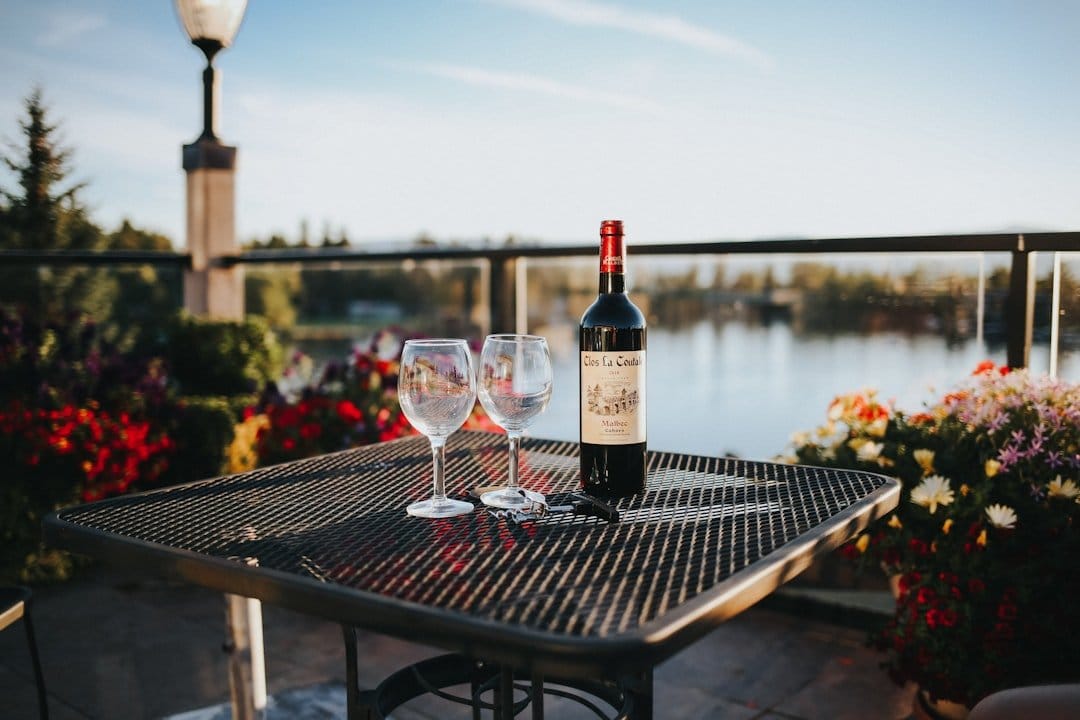
Italian restaurants face pressure to replace multiplied wine markups with fixed margins, better pours and clearer prices.
The restaurant wants €68 for a bottle I can buy for roughly €22. Before the bread arrives, dinner becomes procurement.
I’d rather flirt, gossip or judge the table drinking cappuccino than audit prices between antipasto and primi.
I’ll pay for storage, proper glasses, a knowledgeable sommelier and no washing up. I object when hospitality triples because I chose a better bottle.
The cork takes the same effort to pull.
I grew up in Ivrea, where wine reached the table without a TED Talk. My nonna would have questions.
Italian restaurants need prices diners understand and restaurants can sustain.
My phone ruined the old wine-list trick
Wine-list psychology relied on friction: see bottle, judge price, order before the lunar cycles and Mercury retrograde.
Now I can check a winery website, Vivino or an online enoteca before the grissini snap. Wine Meridian says digital comparison makes balancing margins and competitiveness harder.
Giuliano Rossi, president of Vinarius, sees the problem but not as the whole consumption decline. Vinarius’s 120-plus member wine shops generate nearly €50 million combined turnover. I trust that over an angry post-bill Instagram reel.
Rossi told Wine Meridian:
È vero che, in molti casi, il prezzo finale di una bottiglia al ristorante è diventato molto elevato e questo può scoraggiare il consumatore. Ma sarebbe riduttivo attribuire a questo l’intera responsabilità della contrazione dei consumi
He’s right. Younger customers drink differently; budgets are tighter, health matters more and drivers face alcohol limits. Lower prices won’t restore my grandfather’s daily vino rosso.
But affordability has collapsed. In Gambero Rosso International, financial analyst Marco Baccaglio calculated that mid-range Barbaresco rose 36% over twenty years while wages increased only 4%.
That upgrade now requires board approval.
In the same article, Andrea Gori notes that fashionable pet-nat can retail around €15. No wonder younger drinkers prefer natural wine bars where curiosity stays affordable.
The restaurant price looks stranger in 2026. According to Unione Italiana Vini’s July analysis of Istat data, Italy’s wine consumer-price subindex fell 0.4% month over month and 2.9% year over year in June. Origin prices for lower-tier categories recorded double-digit annual declines.
Those falls don’t immediately reach distributor contracts or cellars. But when outside prices fall and lists stay frozen, I question the arithmetic.
“Can I afford it?” is ordinary. “Am I being played?” poisons dinner.
Then I read the restaurant’s invoice
I’ve seen a €20 retail bottle at €60 and assigned the owner a yacht. Satisfying, but financially illiterate.
Food revenue often barely covers kitchen labor, ingredients, energy and waste. Italian wine prices also include 22% VAT, refrigeration, cellar space, broken stems, training and bottles tying up cash for eighteen months.
Last summer in Torino, a server replaced two glasses because one faintly smelled of detergent. The bottle arrived properly chilled, opened cleanly and paired beautifully with tajarin. I happily paid because the room worked.
Andrea Gori gave Gambero Rosso a concise standard: correct glass, right temperature, qualified staff. I’d add service without an oral exam on volatile acidity.
Distribution adds costs. Gori describes a common Italian arrangement: the distributor gets roughly a 30% producer discount, then adds its margin when supplying the restaurant.
Distributors also carry risk: producers may be paid immediately while restaurants settle months later. The Barolo delivery company becomes a small bank with a van.
Paper revenue doesn’t pay Friday’s supplier. Having stared at accounts receivable, I sympathize and wonder whether politeness has cash value.
Apparently not.
Wineries share responsibility. In Wine Meridian, distributor Luca Cuzziol described producers raising ex-cellar prices from around €15 to €25 or €28. Stacked percentage margins put those wines on lists at €60 or more.
Every invoice may be defensible while the final bottle becomes commercially dead.
Wine Meridian also reports that Horeca represents less than 30% of Italian wine sales, yet restaurants disproportionately drive discovery and premium positioning. One pairing can fix an obscure Etna producer in my memory for years.
Restaurants, distributors and producers need sustainable revenue. Percentage stacking protects every layer until the customer leaves the funnel.
Technology marketplaces do the same: everyone optimizes a spreadsheet, then acts surprised when sales collapse.
Molto elegante.
The cork doesn’t deserve a percentage commission
Hospitality doesn’t scale neatly with acquisition cost. Franciacorta producer Ricci Curbastro proposes replacing automatic multiplication with a fixed euro margin. I agree.
According to Matteo Coloru’s analysis of corkage and restaurant pricing, Italian lists often charge 2.5 to four times purchase price. A bottle acquired for roughly €25 and listed around €75 leaves a €50 gross difference before expenses.
At a €100 acquisition cost, 3x means €300 and a €200 gross difference, though the cork isn’t four times harder and the glass wants no hazard pay.
Fixed margins need transparent bands: a modest euro margin for everyday bottles to encourage spontaneous orders and rotation; more for premium bottles that tie up capital, need careful storage and move slowly; bespoke prices for rare vintages with genuine scarcity and cellar risk.
Charge for the cellar. Spare me the luxury tax for recognizing Barolo.
One universal €20 fee would be silly. A Lecce trattoria and Michelin-starred Milan dining room have different labor, stemware and expectations. Set your own logic—just offer more than “we multiply by three.”
Lists could show fixed hospitality margins by category, percentages declining as acquisition cost rises, or a stated cellar charge for mature bottles. Even two explanatory sentences would help.
Vinarius makes the business case simply: value total customer spend and visit frequency, not one bottle’s maximum margin.
Rossi told WineNews:
Per molti anni abbiamo ragionato soprattutto sul margine della singola bottiglia. Oggi dobbiamo concentrarci sul valore complessivo del cliente, sulla frequenza di acquisto e sulla capacità di mantenere il vino protagonista dell’esperienza gastronomica. Tutto lascia pensare che non ci troviamo di fronte ad una crisi temporanea, ma ad un cambiamento strutturale. La domanda non è come tornare ai numeri di ieri, ma come creare valore nel mercato di domani.
Software subscriptions taught me that fairly treated customers renew, refer friends and buy again. Squeezed customers vanish while meetings celebrate “margin optimization.”
At dinner, they order sparkling water, skip dessert and remember the insult longer than the pasta.
Suggested alt text: Italian restaurant wine list comparing multiplied markup with fixed-margin pricing.
A premium has to earn its place
I’ll pay serious prices for serious wine service. My tolerance ends when the bottle is warm, the glass could hold Nutella and nobody knows why the wine is listed.
Vinarius put it plainly in Wine Meridian:
Il cliente non valuta soltanto il prezzo riportato sulla carta dei vini, ma l’esperienza complessiva che riceve. Una selezione costruita con competenza, personale preparato, un servizio professionale e una corretta valorizzazione del vino possono giustificare un prezzo importante; al contrario, quando questi elementi mancano, il costo della bottiglia viene percepito come un semplice sovrapprezzo
Can someone explain why it suits the food, who made it and what I’ll taste? Otherwise, the restaurant rents shelf space at aggressive interest.
Alice Pedrinelli offers a better model. In 2026, aged 26, she became AIS Lombardia’s best sommelier. At her family restaurant, Da Venanzio in Induno Olona, she asks about guests’ tastes, dishes and budget, then recommends.
Pedrinelli told Italia a Tavola:
Oggi si tende a dare priorità alla comprensione delle esigenze dell'ospite, a differenza del passato, quando l'approccio era fortemente orientato all'upselling. Ritengo fondamentale agire con la massima trasparenza, senza celare il valore economico delle bottiglie e cercando di individuare la fascia di spesa desiderata dal tavolo. Se viene scelta una prima bottiglia, tendo a proporre referenze di costo analogo, a meno che non sia il cliente stesso a voler salire di livello
That last point matters: after a €45 bottle, she usually suggests another nearby instead of treating enjoyment as permission to raid my wallet.
Pedrinelli visits wineries, tells guests about each bottle’s people and avoids technical burial. She may pair structured whites with autumn truffle dishes instead of defaulting to red. Expertise lowers anxiety.
I know enough wine to feel insecure around greater experts. A superior sommelier drives me toward safety; a good one makes unfamiliar spending exciting.
Lists need discipline too. Paolo Porfidio, head sommelier at Milan’s Excelsior Hotel Gallia, cut more than 1,000 pre-Covid labels to roughly 600, according to Wine Meridian.
Across town, Mara Vicelli manages around 950 labels and 27 verticals at Acanto in the Principe di Savoia. It works because the room guides guests.
I love giant lists, but some resemble archives where dinner begins after my second pension payment. Every bottle needs a route to the table.
The 750 ml default has expired
I wish lower prices could restore the Italian table where a full 750 ml bottle appeared automatically. The occasion has changed.
Vinarius cites generational habits, purchasing power and health concerns; driving limits matter too. Splitting my time between Torino and Los Angeles, I find LA especially skilled at turning dinner into transport strategy.
Restaurants need a ladder: glass, 375 ml half bottle, full bottle. Smaller commitments shouldn’t feel punitive.
Il Luogo di Aimo e Nadia in Milan shows ambitious Italian wine by the glass. Sommelier Alberto Piras manages 15 to 20 selections for roughly 30 seats. Sparkling choices usually include white and rosé Champagne, a vintage Champagne and two Italian traditional-method wines.
A Champagne bottle yields around six glasses. Piras argues that failing to sell six pours within fifteen days signals a selection or selling problem.
Piras told Italia a Tavola:
Una volta il vino al calice era il vino da cui ottenere il margine maggiore: si comprava una bottiglia da dieci euro e si vendeva il bicchiere a dieci euro. Oggi quella mentalità è cambiata
Modern preservation systems can reseal Champagne and limit carbon-dioxide loss. A focused list controls waste while offering two excellent glasses without a whole marked-up bottle.
At Aimo e Nadia, that may mean Louis Roederer Vintage 2018 by the glass with sea urchin and quail egg, Sila potatoes and Calvisano caviar. Calling it “house wine” would be violence.
Piras explained the economics:
Ogni ristorante fa i propri conti. Il margine nasce dalla differenza tra costo e prezzo di vendita, ma oggi il vero valore del calice è permettere di offrire vini importanti senza obbligare l'ospite ad acquistare una bottiglia intera
Half bottles deserve equal care. Long burdened with the prestige of an orthopedic shoe, 375 ml now suits how many people dine.
Telemaco Calandrino, wine director of La Gioia Collection, reported “total success” after introducing half bottles at Brera and San Marco. Guests embraced two or three glasses from a sealed bottle they chose.
At Acanto, Vicelli sees strong demand from business travelers.
She told Wine Meridian:
La clientela business la apprezza tanto, perché alla sera si deve liberare la testa dopo la giornata di lavoro e quindi va in decompressione con la mezza bottiglia: sono tre bicchieri, giusta per il pasto
I know that customer. After six meeting hours, three glasses restore; six turn tomorrow morning into performance art.
Half bottles cost proportionally more to make, fewer wineries produce them, and selections often leap from basic to trophy labels. Restaurants should still press suppliers: demand is waiting in a conference badge.
Corkage puts a price on hospitality
Corkage proves restaurants can price service separately from wine.
According to Matteo Coloru’s guide, Italian corkage typically costs around €5 to €10 at a trattoria, osteria or pizzeria, €10 to €15 at mid-range restaurants, and €15 to €25 or more in important or Michelin-starred rooms.
It covers opening, correct temperature, proper glasses and cleanup. The customer owns the liquid; the restaurant charges for its work.
Attico sul Mare in Grottammare goes further. According to WineNews, it charges €10 corkage, with sommelier Sara Marconi serving the guest’s bottle.
Chef Tommaso Melzi can build a customized menu around it, reversing the usual pairing so food follows wine.
Collectors are lovingly ridiculous. We save bottles for years, reject twelve insufficient occasions, then fear ruining them beside an overcooked home steak.
Attico sul Mare creates the occasion and earns the food order.
Corkage requires manners: call first, bring something absent from the list and offer the sommelier or server a taste. Don’t arrive with supermarket Pinot Grigio in a tote bag, citing TikTok hospitality economics.
Italian restaurants needn’t legally accept outside bottles. When they do, corkage can turn a presumed lost markup into loyalty: collectors arrive eager to eat, engage and return.
That sounds like marketing.
By 2029, the multiplier will look ancient
The multiplier survived because it was familiar, invisible and easy. Phones removed invisibility. Diners drink less, while distributors including Sagna report smaller, more frequent restaurant orders as operators protect cash and track rotation.
By 2029, the sharpest Italian lists will explain their logic: fixed euro margins for selected categories, serious by-the-glass programs, more than one sad corner of half bottles, scheduled corkage nights and sometimes explicit cellar or hospitality fees.
Diners will still pay restaurant prices; I will. Those prices must keep the lights on without keeping bottles in the cellar.
The first restaurants to understand will pour more wine. The last will keep multiplying bottles nobody orders.
Frequently asked questions
What can Italian restaurants use instead of a 3x wine markup?
Italian restaurants can replace automatic multiplication with fixed euro margins or declining percentage markups as acquisition costs rise. Everyday bottles can carry modest fees, premium wines can include higher cellar charges, and rare vintages can use bespoke pricing that reflects scarcity, storage and capital costs.
Why do restaurant wine bottles cost much more than retail?
Restaurant wine prices cover more than the liquid. Costs include VAT, distribution, refrigeration, cellar space, proper glassware, breakage, staff training and bottles that remain unsold while tying up cash. The premium feels justified when the restaurant also provides correct temperatures, knowledgeable service and thoughtful pairing advice.
How can restaurants sell more wine without lowering every bottle price?
Restaurants can offer strong by-the-glass programs, 375 ml half bottles and clearly priced corkage alongside full bottles. These options let guests choose a smaller commitment, try premium wines and avoid excessive consumption. Transparent recommendations within the guest’s stated budget can also reduce anxiety and encourage repeat visits.
Sources
- Primary trending article
- “Questa non è una crisi temporanea. I ricarichi sul vino ci dicono che il modello deve cambiare”. L'appello di Vinarius
- Vino, Vinarius: “Il calo dei consumi va oltre i ricarichi al ristorante”
- Wine is changing its place at the table
- Il miglior sommelier? Non vende il vino più caro, trova quello giusto
- Champagne, da Aimo e Nadia non perde valore neanche al calice