For actual work — the best AI image generator in 2026
GPT Image 1.5 leads by 0.1, but speed, alpha channels, repeated edits and repair time decide which model…
The short version
- GPT Image 1.5 is the best AI image generator for general paid work in this provisional ranking.
- GPT Images 2.5 cuts iterative wait times to about 12 seconds, but production evidence remains limited.
- Teams should compare recurring briefs, genuine transparency, correction counts, and human repair time before choosing a model.
GPT Image 1.5 is my best AI image generator right now, beating Recraft V4.1 by a tenth of a point in IMG.LY’s provisional benchmark. That microscopic lead comes with an asterisk large enough to qualify as public art.
Under matched conditions, the winner scored 3.7 versus Recraft’s 3.6. GPT Images 2.5 looks dramatically faster than its predecessor, but nobody has enough production evidence to crown it. Anyone offering a timeless leaderboard today is plating raw chicken and calling it carpaccio.
I care about the path from brief to approved asset. A beautiful image is commercially useless when the label mutates, brand blue drifts toward teal or a “transparent” PNG contains a baked-in checkerboard. IMG.LY tested transparency and found only three models returned a working alpha channel; the other 20 failed. Impressive for a file format we have had since dial-up.
My ranking starts with the benchmark leader for general work. I use the newer OpenAI model for fast conversational iteration, while Recraft remains the closest measured rival. Midjourney is my wildcard when taste matters more than predictability. Every retry counts, plus repair time and the mildly irritated Slack message explaining why the bottle grew a second cap.
matched prompts expose model behavior
IMG.LY gave every model identical prompts with default parameters and fixed the seed wherever possible. It skipped vendor-specific tuning, measuring model behavior rather than rewarding whoever learned that one generator wants “cinematic editorial photograph” while another needs seventeen commas and a prayer. Tailored prompts would probably improve several outputs, but would add prompt engineering as another variable. Fixed conditions also make failures easier to reproduce when a model drops text or ignores a file requirement. It is a clean starting point, though no benchmark recreates every production mess. The suite was still awaiting an expert-reviewed freeze, so I am postponing the victory parade through Piazza Venezia.
Production gets messy when one brief asks a model to preserve a bottle, leave room for copy, match a brand color and render the product code correctly. It may handle each instruction alone, then collapse when they arrive together. Research on RefDiT offers one explanation: global reference-image guidance can lose relevant elements in complex scenes because separate objects need distinct attributes. RefDiT decomposes identifier tokens into attribute-level conditioning for local regions, giving each scene element more specific guidance. That mechanism addresses a weakness in existing personalization methods. Commercial vendors disclose too little for me to claim they use anything comparable. I can judge their files; the machinery remains unknown.
The newer OpenAI model creates a sneaky benchmarking problem against its predecessor. Product codes looked more legible in tested outputs mainly when it drew the product larger. A bigger label gives the generator more pixels but says little about genuine small-print rendering, and it can wreck layouts needing generous negative space. A separate forgery-task evaluation found only limited progress in receipt editing, with no measurable gain for repeated edits or fine print. The forged value was no more likely to be correct. I need broader task-level evidence before trusting claims about sharper detail or better local editing with a launch campaign.
I initially wanted to crown the newer model because fast iteration feels fantastic live. I got ahead of the data.
PromptFrenzy has the sanest framing:
There is still no single “best.” The right model depends on the task — which is the whole reason to compare on your own prompt rather than trust a leaderboard.
My own ugly, overconstrained brief gets the final vote.
my AI image generator ranking for paid work
1. GPT Image 1.5: the defensible default
GPT Image 1.5 leads Recraft V4.1 by that narrow provisional margin, so I start there for general marketing and briefs with several production constraints. It is the easiest recommendation when a team wants one model but not a week-long bake-off. I still keep Recraft open because a tiny benchmark lead can vanish when your packaging enters the prompt. Product photography punishes different errors than campaign layouts, while branded graphics bring another set of tiny disasters. Add exact labels or an awkward aspect ratio and the winner may change again. Benchmark decimals love becoming theology on tech Twitter. Please resist that church.
2. GPT Images 2.5: the speed bet
GPT Images 2.5 is my first test for iterative editing because its Flare variant returned images in about 12 seconds, versus roughly 36 seconds for GPT Image 2 across PromptFrenzy’s four fixed scenes. Cutting the wait to one-third changes a work session. I can inspect a correction before my brain escapes into email. Faster feedback lets me request one small edit instead of stuffing six changes into a replacement prompt. If a revision preserves the bottle but damages the headline, I can see where control failed. That clarity helps even when the final image needs work.
The process works because it is simple. I provide the brief, inspect the first image and identify one local failure. The system revises it using the existing conversational context, while the shorter wait reduces the practical cost of testing a precise correction. Small requests reveal which elements survive each turn. Consistency can still drift after several rounds, and current research has not shown that claimed editing improvements generalize across products or scenes. PromptFrenzy also excluded the model from its production sample because it was not yet serving production traffic on the platform. Once customers arrive with pitch decks due in ten minutes, queues and rate limits may erase the laboratory advantage.
3. Recraft V4.1: too close to ignore
Recraft V4.1 finished a tenth behind GPT Image 1.5 in IMG.LY’s provisional blended score, close enough to require a direct test on recurring work. I would include it in every serious bake-off, especially for teams with strict brand rules. The matched evidence does not support giving Recraft a magical specialty. Inventing one because the subheading looks lonely would be classic software-review behavior. Run the same brief through both, hide the vendor names and let the designer score exported files at final size. Mine has overturned prettier leaderboards before lunch.
Midjourney sits outside my operational top three, though I still use it for visual direction rather than a defined production slot. Its alpha changelog offered the correct amount of honesty:
I think this is gonna be a hit once we nail it, this is just an early version of it.
“Once we nail it” works for mood boards. It is less charming inside an automated campaign pipeline running overnight.
repair work decides the invoice
I calculate an approved asset with a brutally simple formula:
Delivered cost = generation fees + retries + human review + manual repair
Nobody has established which model minimizes that total under matched settings. Most comparisons stop at the API charge, returned image or preference score. Then the file reaches copy review and final export, where expensive problems appear. Human time can dwarf a tiny generation fee when a designer must rebuild text, correct a brand color or isolate a fake transparent background. Cheap output keeps billing through payroll when it needs several repairs. Until somebody benchmarks the full journey, “lowest cost” is mostly marinara on the receipt.
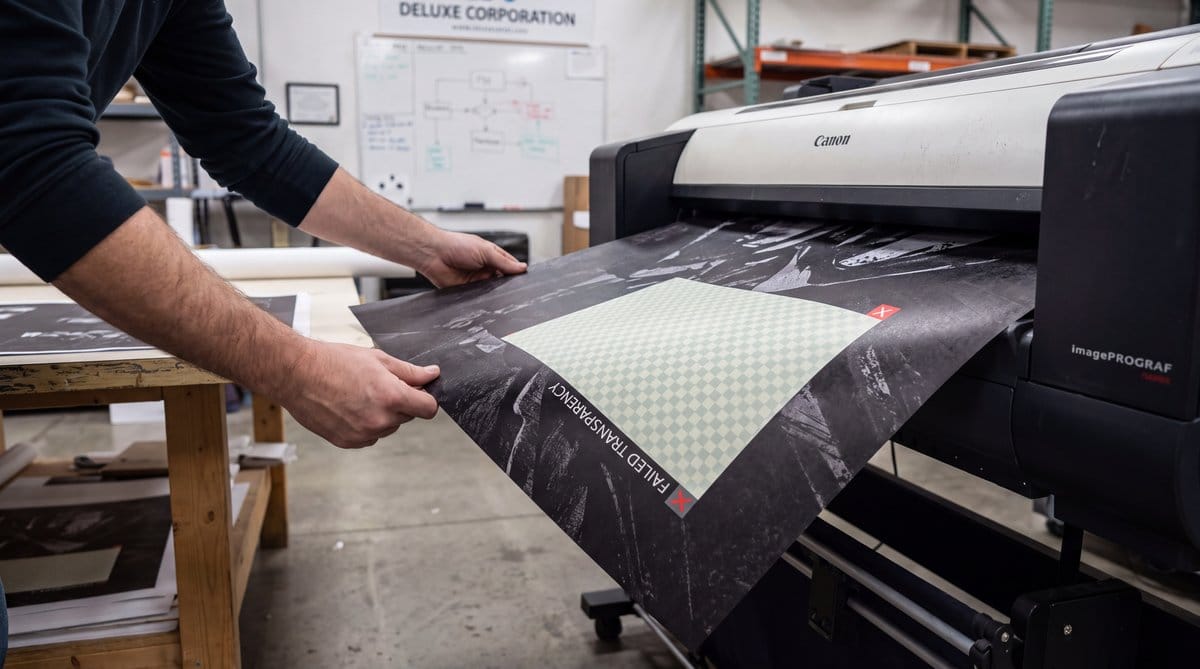
Transparency shows the gap. IMG.LY requested transparent PNGs and measured their alpha channels under fixed conditions. Only three models passed; 20 returned files that failed. Some previews showed a checkerboard while the export remained a solid rectangle. Put that asset on a dark client slide and the fraud appears immediately—a specific flavor of bellissimo. Because the requirement is easy to automate, the failure rate is especially embarrassing.
Consistency is just as unforgiving. IMG.LY reported that no tested model reliably maintained a character across scenes. One hero image can look excellent while the campaign quietly changes the person’s face or clothing. Viewers notice when a mascot experiences an unplanned reincarnation between Instagram slides. I inspect the full sequence together at final size, where errors become obvious. Approving frames individually is how you end up discussing facial continuity with a client at midnight.
My buying test uses five jobs from the real backlog:
- Render an exact product label.
- Make one tightly constrained local edit.
- Preserve a supplied product across several scenes.
- Export a genuinely transparent file.
- Hold the same subject through a short campaign sequence.
I record first-pass success and every correction, then add repair time to the invoice cost. I also track the slowest attempts instead of admiring only the median. One fast demo means little when the fifth revision arrives after the designer starts stress-eating taralli.
agentic AI coding tools can run the checks
A personal AI assistant helps when image creation stays inside the conversation, but I still require human approval. Keeping the brief beside each revision reduces copy-paste chaos. The image model still produces the pixels, including its weaknesses around identity and file output. Conversational convenience cannot fix a broken alpha channel; it only makes the next request easier. That is valuable for low-risk concept work. For a packaging launch, somebody with functioning eyes owns the final click.
Agentic AI coding tools can automate mechanical checks. An agent reads the task, prepares the prompt and calls a dedicated image endpoint. When the file returns, code verifies its dimensions and genuine alpha channel. A machine-readable failure triggers another request or routes the asset into editing. Accepted files are saved with the model name and prompt, creating a useful record when somebody asks where the haunted croissant came from. A person still judges whether the hero image feels premium or resembles a perfume ad shot inside a dentist’s office.
There is a security catch. Running execution on a self-hosted worker does not guarantee image prompts and run data stay inside your infrastructure. Cursor’s documentation says its worker handles file edits and terminal commands locally, while file contents, output, diffs and screenshots go to Cursor during a run. Teams working on unreleased products should map that path before sprinkling “self-hosted” around like holy water. Private execution and private data flow are separate engineering decisions. The marketing page may prefer you forget this.
People also send me adjacent search-bait questions about when is OpenAI IPO, a possible Anthropic IPO, and the Nvidia price-to-earnings ratio. Available sources establish no OpenAI listing date, no verified Anthropic timetable and no current Nvidia valuation figure. None changes which generator makes the cleanest campaign asset. I am leaving financial fan fiction to people with ring lights and alarming thumbnails.
By the end of 2027, the winner will preserve approved elements through repeated edits and export a usable file before the designer opens Photoshop. Run last month’s worst brief through three models, then count every repair. Beauty wins the group chat; correction count wins the budget.
Frequently asked questions
What is the best AI image generator for paid work?
GPT Image 1.5 is the best AI image generator for general paid work in this provisional ranking. It scored 3.7 against Recraft V4.1’s 3.6 under IMG.LY’s matched conditions. The narrow margin means teams should still test both models with their own recurring briefs and exported files.
Which AI image generators create genuinely transparent PNGs?
Only three of 23 models returned transparent PNGs with a working alpha channel in IMG.LY’s fixed-condition testing. The other 20 failed, sometimes displaying a checkerboard preview while exporting a solid rectangle. A production check should inspect the actual alpha channel rather than trusting the preview.
How can agentic AI coding tools check generated images?
Agentic AI coding tools can prepare prompts, call image endpoints, verify dimensions and alpha channels, retry failed requests, and save accepted files with model and prompt records. Human review remains necessary for brand quality, subject consistency, visual judgment, and final approval.
Sources
- Introducing ChatGPT Images 2.5
- ChatGPT Images 2.5 System Card
- Pushing the quality-cost frontier with MAI-Image-2.6
- Alpha Changelog - 9/2/26
- Exclusive: Hands on with ChatGPT's new image editor
- ChatGPT Images 2.5 is out - I've been testing it for 24 hours, and these are the 3 new features you'll actually use