
Vinitaly 2026 Signals Italy’s New Wine Strategy
No-alcohol bottles, winery getaways, and better access are reshaping Italian wine as Vinitaly 2026 pushes beyond the bottle.
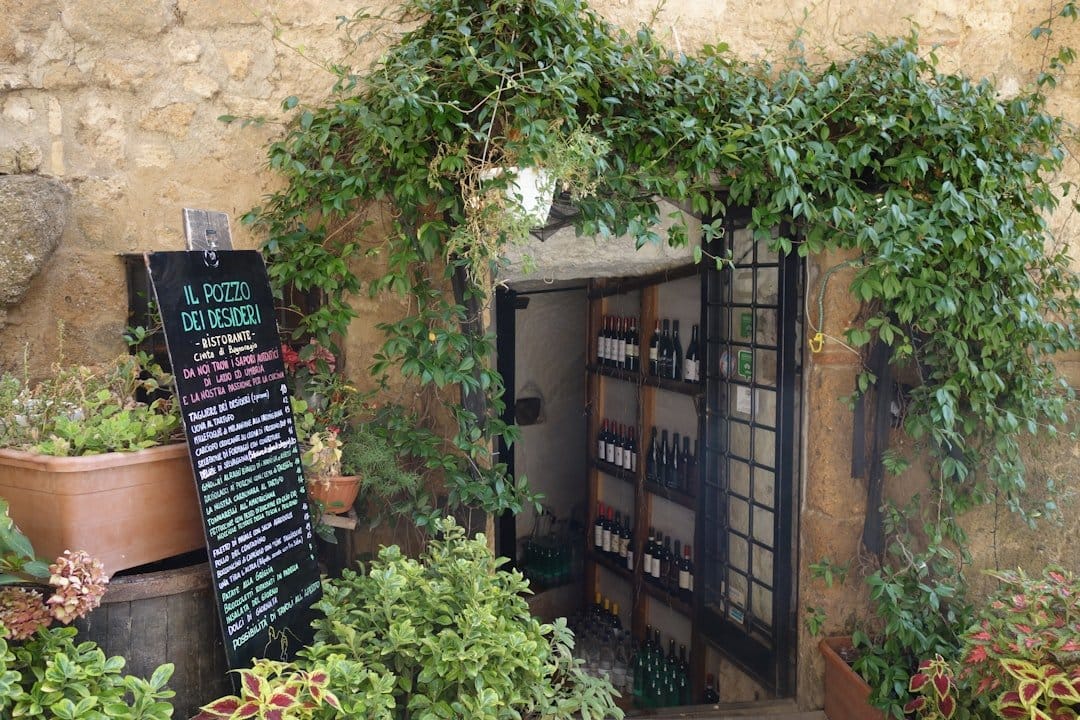
Vinitaly 2026 spotlights no-alcohol wines and wine tourism pivot in a way that feels bigger than trade-fair trend watching. At Vinitaly now, they’re not just selling wine. They’re selling moderation, tourism, logistics, and the dream of a long weekend in the countryside where nobody misses the train back because, miracle of miracles, there is a train back.
That’s the real headline. Not as side chatter. As the main event.
I grew up with a very Italian assumption: if the wine was good, the rest would sort itself out. You needed a table, decent bread, maybe one uncle getting too intense about Barolo by the second course. You did not need a “No-Lo area” or a tourism strategy with infrastructure talking points. And yet here we are.
Honestly? It’s overdue.
Vinitaly 2026 spotlights no-alcohol wines and wine tourism pivot as a reset
If you read the coverage without the fair-gloss coating, Vinitaly 2026 doesn’t look like a victory lap. It looks like an industry meeting where everyone showed up well dressed and slightly stressed.
The official signals are obvious. New no/low alcohol areas. More spirits. More tourism programming. More hosted buyers. More “incoming” strategy. Which is a polite Italian trade-fair way of saying: the old playbook is creaking.
The numbers are still huge, to be clear. According to the Uiv-Vinitaly Observatory, cited by Gambero Rosso International, Italian wine covers 670,000 hectares of vineyards, involves 530,000 businesses, produced an estimated 47.4 million hectolitres in 2025, and generates around €14 billion in turnover. It employs 870,000 people and accounts for 1.1% of Italy’s GDP.
Those are not collapse numbers.
They are “you can’t coast on reputation forever” numbers.
Because the culture around wine is changing faster than a lot of producers want to admit. The same Uiv-Vinitaly Observatory data says 29.4 million Italians drink wine, but daily drinkers are down to 39%, from 57% in 2006, while occasional drinkers are now 61%. That’s not a blip. That’s a rewrite.
People still care about wine. They just don’t care in the old automatic way. Less habit. More occasion. More selectiveness. More “I’m having one glass because I have Pilates tomorrow,” which is not a sentence my parents’ generation would have respected.
Exports aren’t exactly providing emotional support either. Gambero Rosso International reported that Italian wine exports in 2025 fell 3.7% in value to €7.7 billion, with weakness outside the EU and US tariffs adding more uncertainty. Wine Meridian still put the sector’s trade surplus at +€7.2 billion in 2025, so this is not disaster cinema. But nobody in Verona was acting like the geopolitical backdrop was relaxed.
Even the official language gave the game away. In the Vinitaly press release, Veronafiere president Federico Bricolo said the show is evolving with market changes and company needs, offering more focused tools and content to support competitiveness. That is not the language of an industry chilling in total confidence. That is response-deck language. Slide 17 energy.
Good. Better that than another decade of pretending terroir alone should close the sale.
No-alcohol wine in Italy is not a joke anymore
The lazy reaction to Vinitaly 2026 no-alcohol wines is that Italy has finally lost its mind. Next stop: dealcoholized Verdicchio at a wellness retreat, served by someone who says “journey” too much.
I get the instinct. I really do. I once heard a guy in Milan call alcohol-free wine “an insult to civilization” while drinking orange wine that tasted like fermented resentment. So yes, the snobbery is familiar.
It’s also missing the point.
No-alcohol wine in Italy isn’t mainly some ideological surrender to wellness culture. It’s a response to consumers who already changed. If people are drinking less often, if younger buyers are more moderation-minded, if old rituals no longer run on autopilot, producers have two choices: build for the market that exists, or keep lecturing the market for disappointing them.
Only one of those pays salaries.
Vinitaly made the shift official. In its March 26 press release, the fair explicitly announced “new No-Lo and Spirits areas” as part of its answer to new consumption trends. That matters. This isn’t some sad experimental corner hidden behind a pillar and a tray of stale grissini. It’s now built into the fair’s structure.
That’s why the phrase Vinitaly 2026 spotlights no-alcohol wines and wine tourism pivot matters more than it sounds. The fair isn’t treating no/low as a novelty. It’s treating it as infrastructure.
The deeper question isn’t really alcohol content anyway. It’s relevance. At Vinitaly, OIV Director General John Barker said wine is “not only an economic product, but a cultural asset rooted in more than 10,000 years of human history”.
Not only an economic product, but a cultural asset rooted in more than 10,000 years of human history.
That’s the useful frame. If wine is partly cultural, then the future fight is not just about ABV. It’s about whether wine still means something.
And yes, this is where I get a little sentimental, Dio mio. I’m not attached to alcohol for alcohol’s sake. I am attached to ritual. Wine, for me, still means food, place, slowness, people talking too much at lunch. When producers do no-alcohol versions badly, they feel like apologies in a bottle. All the language of wine, none of the soul.
But I’d still rather see Italy try to shape this category than stand on the sidelines making offended noises while some startup in California or Berlin builds the whole thing first.
That would be the most Italian possible way to lose.
Wine tourism is no longer a side hustle
The other half of the Vinitaly 2026 spotlights no-alcohol wines and wine tourism pivot story is even bigger: Italy isn’t just trying to sell bottles anymore. It’s trying to sell the weekend.
Wine tourism used to be treated like a nice extra. A cute add-on. Something wineries did if they had a pretty courtyard and one cousin who spoke English. At Vinitaly 2026, it looks much more central than that.
According to the official Vinitaly release, the fair expanded its tourism focus both “in the territories and at wineries”, working with ICE-Agenzia and pushing a broader incoming strategy connecting wine, travel, and investment. That’s a real posture change. The model is no longer just: meet buyers, move cases, hope they reorder. It’s also: create destination logic, build memory, make the winery itself a reason to travel.
Obvious? Sure. But Italy has spent years acting like beautiful hills were enough.
They are not enough. They are a head start.
The cleanest example came from Alto Adige. According to The Drinks Business, the Consorzio Vini Alto Adige partnered with SkyAlps so wines from 48 producers are served on flights from London Gatwick to Bolzano three times a week. Passengers can also check in six bottles of Alto Adige wine for free on the return flight.
Consorzio director Eduard Bernhart told The Drinks Business, “If people are coming for holiday, they can start to discover the wines on the plane.”
If people are coming for holiday, they can start to discover the wines on the plane.
Exactly. The bottle is no longer the endpoint. It’s the opening scene.
That’s what a lot of Italian wine people have been slow to admit. Wine sells better when it arrives attached to a place, a route, a memory, a meal, a story you can retell later without sounding like a brochure. You ski or hike in Alto Adige, drink the wine there, then bring it home. Suddenly the product has context. And context is half the sale.
This isn’t tiny either. The Drinks Business reported around 90,000 attendees at the fair, with 26% international visitors. Gambero Rosso International cited 97,000 trade visitors, 33% from 130 countries, across 4,000 exhibitors and 18 halls. Fair numbers always have a bit of theater in them, but still. The scale is real.
So when people talk about Italian wine tourism as if it’s some soft lifestyle layer, I think they’re missing the shift. The fair itself is reorganizing around the idea that wine needs an ecosystem around it to stay commercially strong. Food. Travel. Hospitality. Local identity. Maybe wellness too, even if that word still makes me want to roll my eyes.
The bottle alone isn’t enough anymore. That’s not an insult to wine. It’s just the market telling the truth.
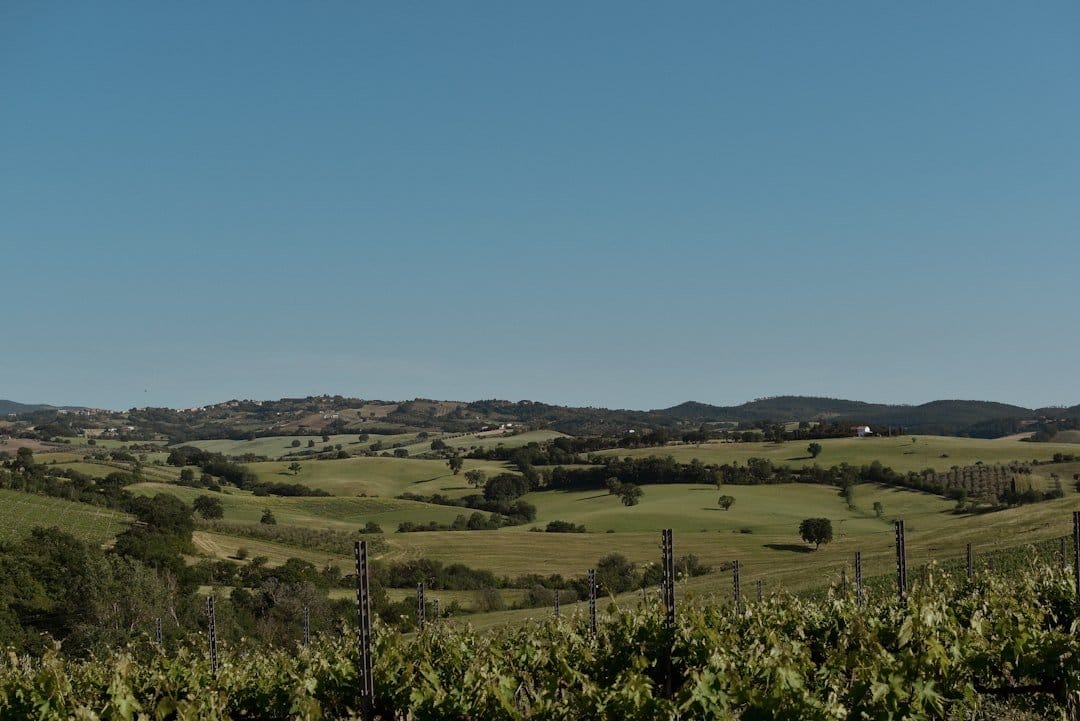
The embarrassing part: Italy still makes winery visits harder than they should be
Here’s the bit Italians hate admitting. The problem with wine tourism in Italy often isn’t demand. It’s logistics.
We love the fantasy of the borgo. We are less interested in making the borgo easy to reach, easy to book, and easy to understand if you weren’t raised speaking fast regional Italian while reading road signs hidden behind olive trees.
According to WineNews, Italian wine tourism is already worth €3 billion. So this is not some hypothetical future category. It’s real money, real demand, real traffic. And still, the infrastructure around it can feel hilariously undercooked.
The toughest stat came from Federico Guzzo of Lumsa University, reported by WineNews: out of 104 million foreign tourists welcomed in 2025, less than 10% visited a winery.
Less than 10%.
In Italy.
That number should make people sweat.
Because if a country this famous for food, wine, and scenery can’t convert more tourists into winery visitors, the issue is not charm. The issue is operations. Access. Coordination. Booking systems that do not feel like a side quest.
The survey behind the discussion, according to WineNews, looked at 300 wineries affiliated with the Wine Tourism Movement, where foreign tourists account for 35–40% of visitors. So this isn’t consultant fantasy. These are producers already doing the work and still running into friction.
And the conclusion was brutally simple. Guzzo’s line, as summarized by WineNews, was that “the demand is there, but opportunities for access are lacking.”
The demand is there, but opportunities for access are lacking.
Perfect. Painful. Extremely Italian.
I’ve lived this. A few years ago in Tuscany, I tried to book a winery visit that looked gorgeous online. Great photos. Strong reviews. A website that appeared to have been last updated during the Renzi government. Booking required an email, then a WhatsApp, then a vague message saying they would confirm “domani.” They never did. What I did receive was a PDF wine list in Comic Sans from somebody’s nephew.
This is not terroir. This is admin chaos.
And when visitors do make it to the winery, the revenue mix tells another story. According to the same WineNews report, tourism income still leans heavily toward direct wine sales and shipping or retail purchases, often more than paid visits and activities. So people clearly want the product. But the experience around it is still underbuilt. They buy bottles. They don’t always get a polished hospitality offer around those bottles.
That gap matters.
Because if the future is fewer drinking occasions with more meaning attached to each one, the visit itself has to work. Not just taste good. Work.
Sicily is the perfect test case because beauty alone won’t save you
If one region makes this whole thing impossible to ignore, it’s Sicily.
Nobody needs to be sold on Sicily being beautiful. That job is done. The problem is making beautiful also connected, accessible, and bookable without requiring divine intervention and a rental car held together by hope.
At Vinitaly, Deputy Prime Minister Matteo Salvini went full infrastructure mode on the issue. According to The Drinks Business, he said Sicily’s wine tourism would be “increasingly supported in terms of logistics and infrastructure” and laid out a “three-step recipe”: “connect, make accessible, and build the future.”
For once, the slogan is not completely useless.
There’s a clear economic case. Salvini noted that more than half of Sicilian wine production ends up on international tables, especially via buyers in the US, Germany, and Japan. Sicily already has global demand. The challenge is turning export prestige into actual on-the-ground tourism and repeat visits.
He also linked the pitch to public works, saying €28 billion in construction sites are underway in Sicily across roads, highways, railways, and dams. He mentioned the Palermo-Catania-Messina line and water infrastructure that had reportedly been stalled for 40 years.
Not glamorous. Completely essential.
Because hospitality starts before the tasting room. It starts when someone lands and can figure out what happens next without opening six tabs and considering a small prayer.
Then there’s the giant symbol hanging over all of this: the proposed bridge linking Sicily to mainland Italy. According to The Drinks Business, the plan suggests a 3.3-kilometre suspension bridge, with 339-metre towers, three traffic lanes in each direction, a service lane, and a double-track railway.
Every Italian has an opinion about this bridge. Usually loud. Usually contradictory. Usually delivered by someone with zero engineering background and immense confidence. So, basically, the national sport.
I’m not here to argue about the bridge itself. I’m saying the bridge debate exposes the real point: Sicily wine tourism lives or dies on boring things. Trains. Roads. Water. Airport links. Signs. Coordination between municipalities and producers. The unsexy machinery that turns “you should visit someday” into an actual booking.
We talk about authenticity as if inconvenience is part of the charm. It isn’t. Authenticity means place, not dysfunction. If getting to Etna or western Sicily still feels harder than planning a polished Napa weekend, then Italy is leaving money and influence on the table out of pure operational vanity.
The real pivot is philosophical
The deepest change at Vinitaly 2026 isn’t one category or one fair activation. It’s that wine is being repositioned from agricultural product to cultural system.
That sounds grandiose, I know. But it’s basically what the fair is saying. Wine is no longer being framed as just something to produce and export. It’s something to host around. Something that connects food, territory, identity, travel, and hospitality into one offer.
Again, John Barker from the OIV put it best when he said wine is “not only an economic product, but a cultural asset rooted in more than 10,000 years of human history.” That line matters because it explains why the push toward moderation and tourism is not a betrayal of wine. It’s adaptation for a lower-volume era.
If people drink less often, meaning has to do more work.
That’s the whole game.
A random Tuesday bottle bought on autopilot matters less than a wine tied to a trip, a meal, a place, or a memory you want to recreate. That’s why Italian wine tourism is not some decorative side project for wineries with nice views. It’s central to how the sector stays relevant.
Even the fair’s commercial structure reflects that. The official Vinitaly release said more than 1,000 top buyers were selected, invited, and hosted jointly by Veronafiere and ITA, with operators from more than 130 countries expected. Wine Meridian also reported almost 30 international initiatives in Vinitaly’s wider push, including new moves in Africa, Canada, Australia, and a bigger presence in Brazil.
This is not just “please taste our wine.” It’s a full attempt to frame Italian wine inside better stories, better routes to market, and better experiences.
And honestly, Italy should be good at this. Our real advantage was never just fermentation. It was atmosphere. The lunch that goes too long. The piazza before dinner. The producer who starts by pouring you wine and ends by giving you a history lesson, family gossip, and his opinion on the neighbor’s terrible vineyard choices. We’ve always been good at context. We were just weirdly snobbish about admitting that context had commercial value.
I had that snobbery too. For years, I wanted the product to speak for itself because I thought anything else was fake. Then I spent enough time in America watching hospitality-heavy wine brands package memory with military precision, and I had to admit something uncomfortable: if you don’t shape the experience around the bottle, someone else will shape it for you, and usually worse.
That doesn’t mean turning every winery into Disneyland for adults with stemware. God forbid. It means accepting how people actually choose things. They remember places. Stories. Moments. The technical sheet almost never wins on its own.
So yes, Vinitaly 2026 spotlights no-alcohol wines and wine tourism pivot. But the bigger truth is simpler and more uncomfortable: Italy is finally admitting that great wine is not enough by itself.
If Italy gets this right, the future won’t be more people drinking more bottles. It’ll be fewer, better moments. A trip booked because of a vineyard in Alto Adige. A Sicily itinerary that finally feels easy enough to say yes to. Maybe even a no/low producer figuring out how to keep some real sense of place in the glass instead of making a sad grape-flavored compromise.
If Italy gets it wrong, no-lo becomes a gimmick, wine tourism becomes brochure copy, and the industry keeps mistaking nostalgia for strategy.
That’s the choice.
Not whether Italian wine can change. It can.
Whether it can change without becoming generic.
Sources
- Primary trending article
- Italy minister vows to invest in Sicily’s wine tourism
- Five key talking points from Vinitaly 2026
- Accessibility, digital visibility, synergies: here’s how Italian wine tourism can continue to grow
- Vinitaly 2026: OIV highlights the cultural value of vine and wine in a global perspective
- Vinitaly 2026: A renewed partnership looking to the future of the Italian wine sector