
Remote Work Destinations in Europe That Actually Work
Forget the fantasy lists. These remote work destinations in Europe are judged by Wi-Fi, routine, livability, and how they feel on a Tuesday.
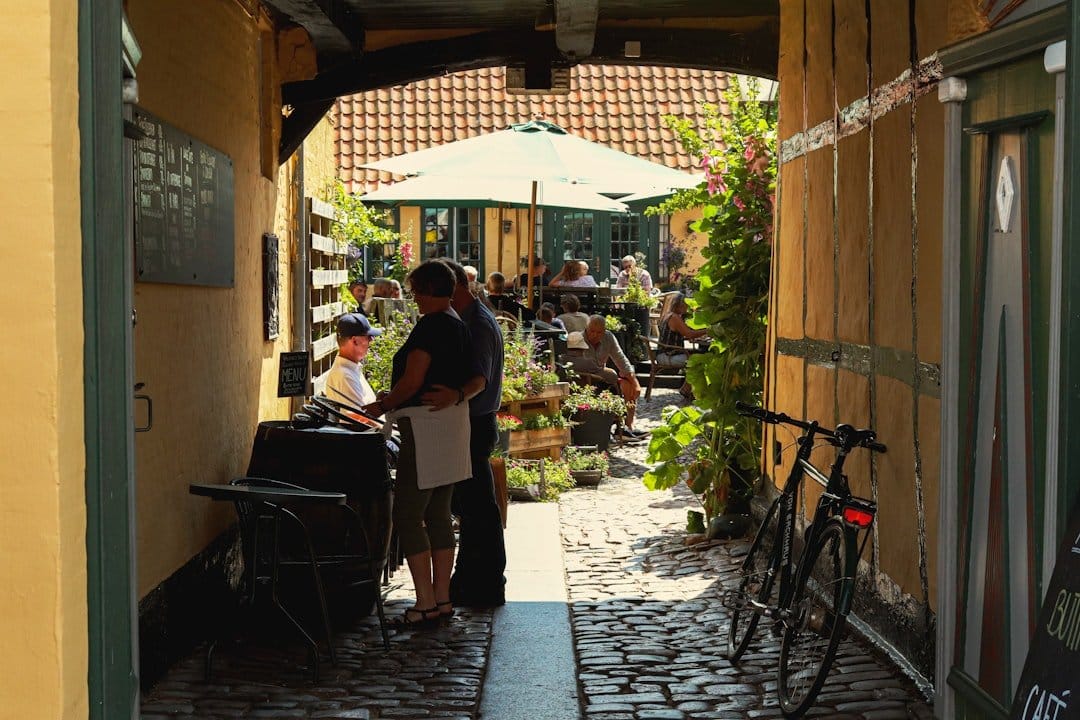
I once took an investor call from a gorgeous apartment in one of those supposedly elite remote work destinations in Europe. Terracotta roofs. Tiny balcony. Golden-hour light doing its absolute best Sofia Coppola impression. Then, five minutes before the call, the Wi-Fi started blinking like it had unionized against me personally.
So there I was, hotspotting from my phone, sweating through a linen shirt that had no business being trusted in a professional setting, smiling on Zoom like I was totally calm and not one bar away from career death. Meanwhile, one of my most productive months in Europe happened in a city I almost skipped because it wasn’t “hot” enough. Not ugly. Just useful. Trains worked. Internet worked. Grocery store downstairs. Airport easy. Coffee good without making a big speech about itself.
That’s basically the whole argument.
A lot of content about remote work destinations in Europe is really just vacation content wearing Warby Parkers. It’s all lemon trees, tiled courtyards, and someone pretending to answer Slack next to a cappuccino they never actually drank. Cute. But if you have a real job, the best city is usually not the one that makes the prettiest Reel. It’s the one that doesn’t sabotage your Tuesday.
And yes, that is deeply unsexy.
I’m fine with that.
The fantasy is Lisbon. The reality is your calendar
I like Lisbon. Let me say that before the Lisbon defense squad kicks down my door with pastel de nata in hand. I’m not anti-Lisbon. I’m anti-confusing “I had an amazing four-day trip there” with “I can work there for six weeks without becoming annoying.”
Those are wildly different questions.
A city can be beautiful and still be a pain to work from. If your apartment has one tiny table, a church bell with main-character energy, and Wi-Fi that’s more of a spiritual concept than a utility, the azulejos stop helping pretty fast. If getting groceries turns into a side quest and your team is in New York while you’re pretending a 9 p.m. sync is “totally fine,” that matters more than the view.
When I think about remote work destinations in Europe, I rank cities by friction. Not beauty. Not trendiness. Friction. How often does this place interrupt my work? How much does it improve the rest of my day? That’s the scoreboard. Everything else is marketing.
And Europe’s real edge is boring, which is exactly why it matters. Reliable connectivity. Trains that actually connect things. Easy movement between countries. Visa options that don’t make you feel like you’re applying to join a secret society. It’s not glamorous, but it’s the stuff that determines whether your life feels smooth or stupid.
I learned this the expensive way in southern Europe last year. Beautiful city. Dreamy light. Aperitivo so good it briefly made me believe in romance again. But my apartment had one chair designed by a sadist, and every call sounded like I was dialing in from inside a dishwasher. By week two, I would have traded the entire old-town charm package for fiber internet and a normal desk.
That’s the part nobody says out loud: a lot of “best places in Europe to work remotely” are actually best places in Europe to be lightly unemployed.
Harsh? Maybe.
True? Molto.
Europe’s real flex is that it lets you have a life
What Europe gets right — and yes, I’m biased, I grew up with Italian standards for daily life, which are frankly unfair to the rest of the world — is the texture of an ordinary day. You finish work and you can walk somewhere. You can sit outside. You can get a real coffee without taking out a small business loan. You can buy tomatoes that taste like tomatoes. Revolutionary stuff.
That’s why Europe wins for me.
Not because every city is beautiful, even though a lot of them are. Not because the algorithm has decided Europe is the place for digital nomads with tote bags. Because it lets you build a life around work without turning every errand into a logistical nightmare. Public transit is usually solid. Healthcare exists in a way that lowers your resting heart rate. A lot of cities are still built for humans, not just cars and parking lots and weird suburban despair.
That changes everything.
You stop feeling like every weekend has to be an epic event. You stop treating your own life like a Notion dashboard. You can build routine and still have novelty nearby, which is the sweet spot. Routine with optional chaos. Bellissimo.
And this is where a lot of remote work advice completely loses me. It’s obsessed with productivity while acting like your life after 6 p.m. is some irrelevant side quest. No. If your workday ends and your options are “sit in Airbnb” or “Uber to a sad mall,” your setup is broken. If your workday ends and you can walk to a piazza, grab a glass of wine, call a friend, and eat something that didn’t come from a plastic coffin, you’re doing it right.
The best remote work destinations in Europe support your work and your humanity. Yes, that sounds dramatic. I mean it anyway.
A few months ago in Bologna, I had one of those grim, deeply adult workweeks where everything was due, I was sleeping badly, and my personality was becoming a public health issue. Nothing cinematic happened. But every day I could walk ten minutes, get lunch that tasted like somebody’s nonna had standards, sit in a square for twenty minutes, and come back less feral. That did more for me than any coworking space ever has.
Remote work is not just about where you can open a laptop.
It’s about where you can stay sane.
Berlin and Amsterdam are great — if you can handle the emotional weather
Let me say something nice about the grown-up cities.
Berlin and Amsterdam are excellent if you actually want to get things done.
They have infrastructure. They have international communities. They have apartments where the table is, astonishingly, table-sized. Need a train? Need a workspace? Need a cafe where people are clearly building something instead of cosplaying as writers? Easy. These are cities for shipping product, not reinventing yourself in linen pants.
And honestly, a lot of people end up here after getting burned by more chaotic “dream” destinations. You spend one month fighting a router in a charming beach town and suddenly Amsterdam starts looking like a Nicholas Sparks novel.
Still, there’s a tradeoff.
Berlin is efficient in the way a very smart person is efficient when they do not care whether you’re having fun. I respect it. I’ve had insanely productive stretches there. Good startup energy. Good cafes. Real momentum. But winter in Berlin can feel like the sky signed an NDA against joy.
Amsterdam is softer and prettier and somehow makes competence look elegant. But the housing situation? Dio mio. If you find a decent apartment at a sane price, tell no one. Put it in a trust. Defend it like medieval land.
Some of the smartest remote work destinations in Europe are the ones nobody calls magical. They get described with words like efficient, livable, connected, international. Which is less sexy, sure. But if you’ve ever taken three back-to-back calls from a gorgeous apartment with one outlet hidden behind a wardrobe, competence starts to feel erotic.
There’s also a subtle emotional tax in hyper-functional cities, and I think people pretend not to feel it because they want to seem evolved. I’ll say it: if I spend too long somewhere everything works but every interaction feels pre-booked by an app, I get lonely. Productive, yes. Slightly dead behind the eyes, also yes.
That surprised me the first time I really felt it.
I had a month in Amsterdam where my routine was objectively perfect. Great apartment. Great coffee. Bike rides. Work humming along. Calendar under control. And still, I had this weird low-grade feeling like I was living inside a very well-designed slide deck. Nothing was wrong. I just didn’t feel held by the place.
That matters more than people admit.
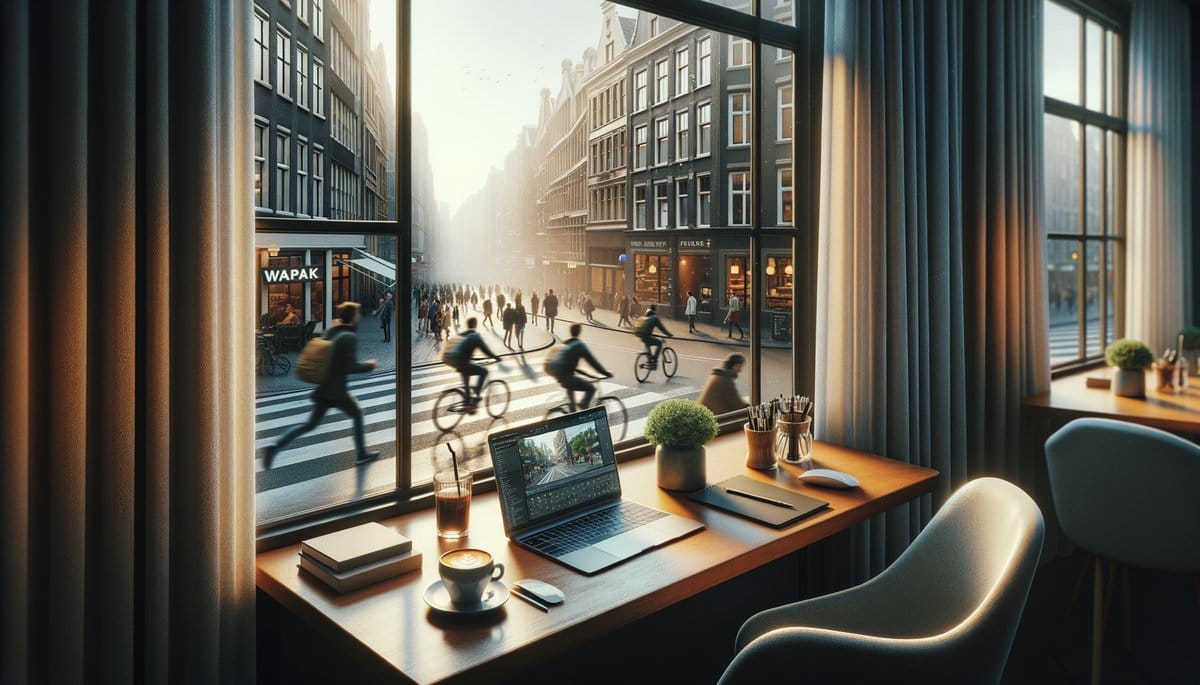
My rule for remote work destinations in Europe: would I still like it on a Tuesday?
This is my filter now. The Tuesday test.
Every city is charming on Friday. Friday is a scammer. Friday has aperitivo lighting and better posture. I care about Tuesday, when I’m behind on work, slept badly, have two calls I’m dreading, need a gym, want lunch that doesn’t suck, and would really prefer not to solve ten tiny logistical problems before 2 p.m.
That’s the day that tells you if a city is actually good.
When I’m evaluating remote work destinations in Europe, these are the questions I actually ask:
- Can I take calls reliably without my phone hotspot becoming my most loyal employee?
- Can I afford a decent apartment, not just survive in a shoebox with “curated interiors” and nowhere to chop a vegetable?
- Is there enough going on without the city demanding that I be out performing a personality every night?
- Can I get in and out easily by train or airport?
- Would I still enjoy this place when I’m tired, mildly cranky, and fully out of vacation mode?
That last one is the whole game.
I think of European base cities in three buckets. First, the workhorse cities: Berlin, Amsterdam, parts of Germany generally, where the appeal is competence. Then the lifestyle cities: coastal Portugal, southern Spain, parts of Italy, Greek islands if you know what you’re doing and don’t need perfect infrastructure every second. Amazing life, but be honest about the tradeoffs. Then there are the hybrid sweet spots — the places that balance cost, quality of life, and infrastructure without screaming for attention.
That’s usually where I’m happiest.
Not because they’re the most exciting. Because they ask less of me. I can work there. I can rest there. I can become a slightly less insufferable version of myself there. Huge win.
If you want examples, I’d rather give categories than crown one winner like I’m judging Miss Universe for Wi-Fi. Berlin and Amsterdam are great for structure. Milan is underrated if you can handle the price and the occasional bureaucratic slap in the face. Valencia has a lot going for it if your schedule works with Spain. Vienna is almost offensively functional. Bologna, for me, is low-key one of the best cities in Europe for remote work if you care about food, walkability, train access, and not having to perform coolness 24/7.
Yes, I’m biased.
No, I’m not wrong.
The best remote-work city is the one that makes you less annoying
Here’s my hotter take: remote work travel has a way of turning smart people into optimization goblins. We start tracking everything. Best coffee. Best visa. Best weather. Best cost-of-living ratio. Best coworking. Best neighborhood. Best light for content. At some point you’re not living, you’re A/B testing your own existence.
I’ve done it too. Fully. I’ve compared cities like I was drafting a fantasy football roster for adulthood. Then I’d land somewhere “optimal” and still feel off, because I’d skipped the better question: does this place make me calmer? Kinder? More present? Or does it just give me more stuff to rank?
That’s why the best remote work destinations in Europe are the ones that support routine first. Not fantasy. Not personal branding. Routine. A place where your day works. A place where your brain unclenches. A place where life doesn’t feel like a constant setup for content.
The place that works best for me is never just the one where I’m most productive. It’s the one where I know my barista by day five. Where I can walk home after dinner. Where I’ve butchered enough local language to become charming instead of alarming. Where lunch is a real meal. Where I don’t have to keep deciding who I’m supposed to be there.
A city should reduce performance.
That’s the dream.
And I think that’s where this whole thing is heading. Less digital nomad theater. Fewer “top 10” fantasy lists written by people who stayed somewhere for 96 hours. More people choosing fewer, better bases. Longer stays. Better routines. Stronger friendships. More boring Tuesdays that feel weirdly, suspiciously good.
That sounds small.
It’s actually the point.
If you’re choosing between remote work destinations in Europe, stop asking, “Where would I love to visit?” Ask, “Where could I build a good month?” Those are completely different questions. One is fantasy. The other is a life.
I know which one ages better.
The best city is not the one that makes you look interesting online. It’s the one that makes your actual life better.
And ideally, sì, the pasta should be decent too.