
Hydrogenobody Discovery Reframes Cows’ Methane Burps
A newly described organelle inside rumen microbes may help explain why cows burp so much methane—and why the cow itself isn’t the real culprit.
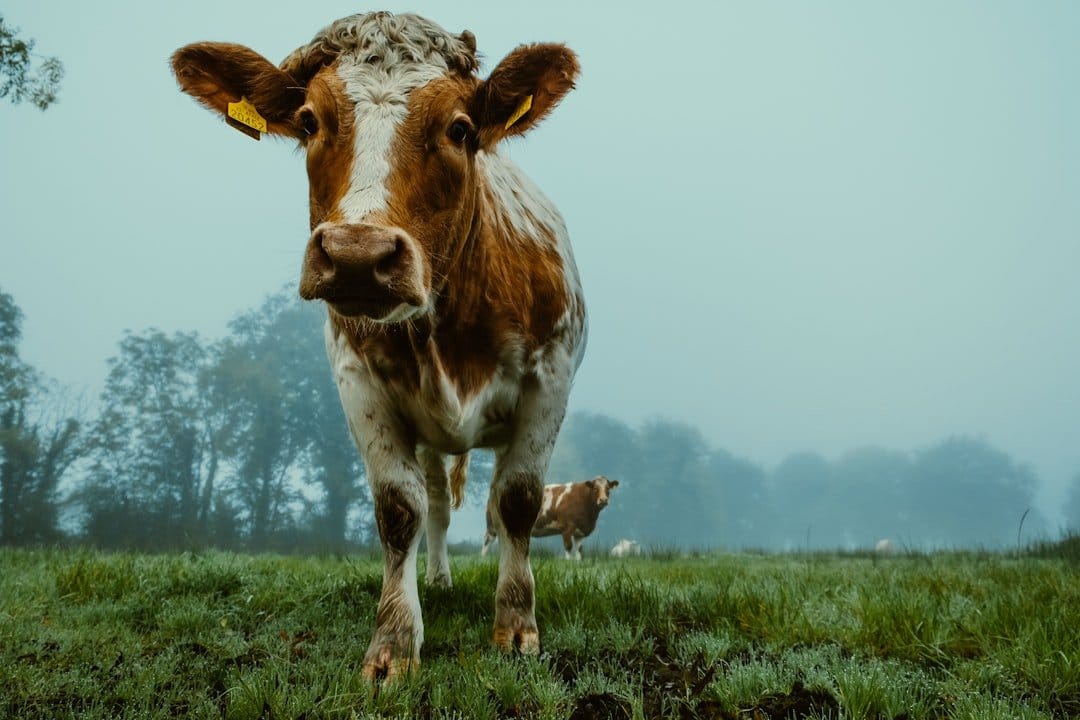
New hydrogenobody organelle may explain cows’ methane burps, but not in the simplistic way the headline suggests. The real story is that cows are mostly the venue, while tiny gut microbes inside the rumen appear to be running the chemistry that helps methane production happen so efficiently.
We’ve all heard the cartoon version: cows make methane, cows are bad, end of story. Nice clean villain. Terrible science. The cow, it turns out, is mostly hosting a fermentation ecosystem in its first stomach, where single-celled organisms are running a tiny hydrogen economy and setting the table for methane production.
According to a Science paper published April 30 and covered by Nature, Science News, and Chemical & Engineering News, researchers found a previously unknown organelle inside rumen ciliates, which are single-celled eukaryotes living in the guts of herbivores. The organelle, called the hydrogenobody, appears to remove oxygen and release hydrogen. The ciliates do not make methane themselves. Instead, they create ideal conditions for methanogenic archaea, which use that hydrogen to make methane.
So no, the cow is not personally engineering emissions. It is hosting a microscopic supply chain.
Why the new hydrogenobody organelle may explain cows’ methane burps
If you want to understand livestock methane emissions, start with the rumen, not the cow’s face. Ruminants such as cows, sheep, goats, and deer rely on microbes to break down tough plant material. They are essentially leasing out gut space to an entire fermentation ecosystem.
That ecosystem is not a side note. According to Nature, burping livestock account for around 30% of global methane emissions caused by human activities. Science News frames it slightly differently, saying ruminants produce about 30% of agricultural methane. Different wording, same conclusion: this is a major source of emissions.
The newly discovered organelle was not found in cow cells. It was found in rumen ciliates, odd little protists including species such as Entodinium caudatum. That matters because we often say “cow methane” as if the cow is the main actor, when much of the real action is happening inside microbes living within the cow.
According to Nature, the team, including researcher Wei Miao at the Chinese Academy of Sciences in Wuhan, spotted an oval-shaped structure in these ciliates that had not been properly described before. Even now, biology can still surprise us with entire cellular structures hiding in plain sight.
What the hydrogenobody does inside rumen ciliates
The hydrogenobody is not “new” in the lazy clickbait sense. It is a newly described organelle, a specialized structure inside a cell. That alone makes it notable.
What makes it more interesting is its apparent function. Based on reporting on the Science paper, the hydrogenobody seems to remove oxygen and release hydrogen inside rumen ciliates. That hydrogen then becomes fuel for methanogenic archaea, the microbes that actually produce methane.
So this is not a one-organism story. It is a partnership.
- The ciliate is the supplier.
- The archaea are the manufacturer.
- The cow is the building.
That is why the phrase New hydrogenobody organelle may explain cows’ methane burps is more accurate than it first sounds. The hydrogenobody may explain part of the mechanism behind why methane production happens so effectively in the rumen. Not because it makes methane directly, but because it helps create the low-oxygen, hydrogen-rich environment methanogens prefer.
According to Chemical & Engineering News, Fei Xie and colleagues found that ciliates do not produce methane themselves, but the hydrogenobody makes them “the perfect neighbors” for methane-producing archaea.
This was not entirely unexpected. Scientists already knew hydrogen plays a major role in methane production. What is new is the discovery of a dedicated organelle that appears built to support that process inside a major rumen resident.
Why scientists missed this for so long
The striking part of this story is that these microbes are not obscure. According to Science News, rumen ciliates make up about a quarter of the microbes in the rumen. That is a huge share of the ecosystem.
And yet they have been understudied for years because they are technically difficult to analyze. According to Nature, Zhongtang Yu at Ohio State University said some of these ciliates have tens of thousands of chromosomes. Add repetitive DNA, contamination problems, and DNA exchange with other microbes, and the challenge becomes obvious.
Science News also quoted Ivan Čepička, a protistologist at Charles University in Prague, saying these ciliates make up about a quarter of rumen microbes but “have not been studied much.”
have not been studied much.
To get around contamination, the researchers had to isolate single ciliate cells before sequencing them, according to Science News. That level of precision is one reason this work stands out.
Rainer Roehe of Scotland’s Rural College called the resulting ciliate catalog a “treasure trove” for rumen microbiology. Better tools finally allowed researchers to examine a major part of the rumen ecosystem that had been hiding in plain sight.
The rumen is an ecosystem, not a single methane machine
Once methane is treated as an ecosystem problem rather than a single-organism problem, the whole picture gets clearer.
The rumen is a dense fermentation environment. The ciliate and its hydrogenobody help strip out oxygen and generate hydrogen. The methanogenic archaea thrive under those conditions and convert the hydrogen into methane. That methane then ends up in the cow’s burps, and yes, mostly burps, not farts.
According to Science News, the researchers studied 100 dairy cows and found a strong pattern: more ciliates were associated with more methane-producing microbes and more methane output. That does not solve the problem by itself, but it does identify a more precise leverage point.
These microbes are also visually strange. Science News notes that Vestibuliferida species can look like Koosh balls because they are covered in cilia. Entodiniomorphida, meanwhile, tend to have cilia concentrated in one area.
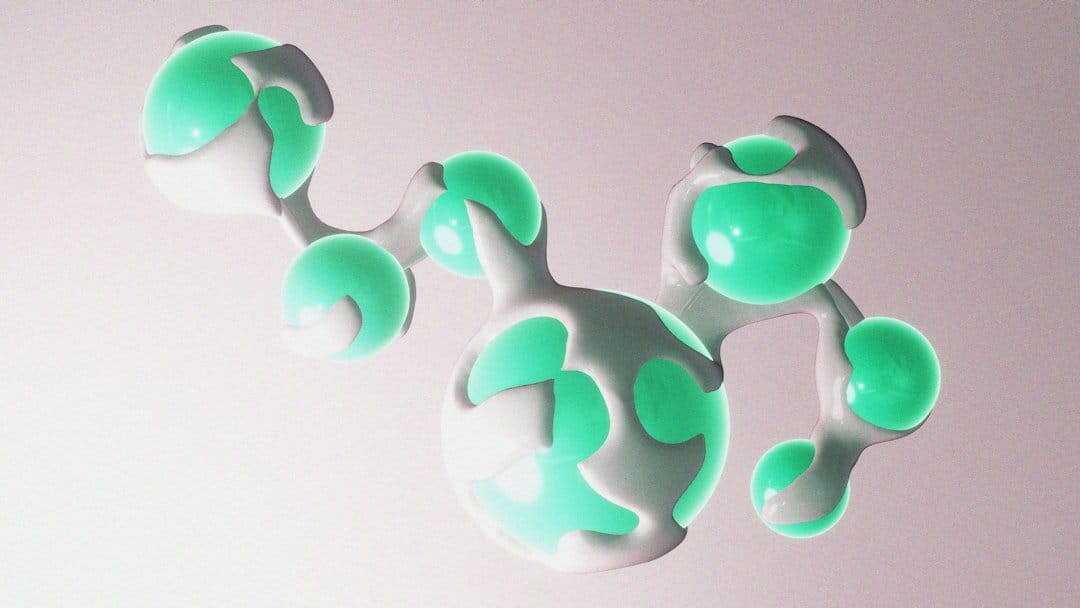
Image: Fluorescence micrograph of rumen ciliates Isotricha prostoma and Dasytricha ruminantium, highlighting the internal hydrogenobody region. Credit: Chuanqi Jiang, Jinying He, and Che Hu/Institute of Hydrobiology, Chinese Academy of Sciences, via Science and C&EN.
That is why flattening this discussion into “cow bad” misses the mechanism. The methane is an ecosystem product emerging from a metabolic partnership inside the first stomach of herbivores.
The genome catalog may be the bigger breakthrough
The hydrogenobody is the headline-grabbing discovery, but the long-term payoff may be the genome catalog the researchers built along the way.
According to Nature, the team collected ciliates from cattle, sheep, goats, and deer and combined new sequencing with older data to build a database of 450 ciliate genomes. Before that, Zhongtang Yu said there had been only 53 rumen ciliate genomes sequenced.
According to Nature and Science News, the team identified 65 species of rumen ciliates, and 45 of them had never been genomically sequenced before.
This is the less glamorous infrastructure side of science, but it is often what changes the field. Once researchers have a better map, they can compare species across hosts, ask which ciliates carry hydrogenobodies, and test how those patterns relate to methane output under different diets or conditions.
In Nature, Oscar Gonzalez-Recio, a geneticist studying the rumen microbiome at the University of Edinburgh, said the work “opens new opportunities to modulate the rumen microbiome more precisely” to improve digestion and lower methane.
Why this matters for climate science
This discovery matters because it points to a more precise target than the usual anti-methane conversation. Not “ban cows.” Not “one feed additive fixes everything.” More like: one important leverage point may sit with the microbial middlemen, especially rumen ciliates and their relationship with methanogenic archaea.
If hydrogenobodies are linked to methane output, researchers can test interventions more intelligently than before. That could involve shifting the microbiome, changing feed strategies, or exploring breeding approaches that influence which ciliates thrive. The paper does not claim a finished solution, but it does provide a clearer mechanism.
That is enough to matter. Some of the most useful climate stories are not giant moonshots. They are discoveries that reveal hidden systems inside ordinary things we thought we already understood.
The hidden mechanism is the real story
The key idea is simple: the cow is not emitting methane alone. It is hosting a microscopic supply chain.
That does not reduce the stakes. Livestock methane emissions still matter. But it does change how the problem should be understood. The action sits with rumen residents such as Entodinium caudatum, with groups like Vestibuliferida and Entodiniomorphida, and with the metabolic partnership between a newly described organelle and methane-producing archaea.
According to Chemical & Engineering News, fluorescent images of Isotricha prostoma and Dasytricha ruminantium make these ciliates look almost decorative. Which feels very on-brand for nature: the thing influencing the climate is also weirdly beautiful.
If New hydrogenobody organelle may explain cows’ methane burps, the bigger question is what else we still misunderstand because we blame the host instead of mapping the system.
That may be the most useful lesson here. Less finger-pointing, more mechanism hunting.
Sources
- Primary trending article
- Cows’ methane burps may be fueled by a newfound organelle in gut microbes
- Uncovered: An organelle that powers the methane machine in livestock
- Chemistry in Pictures: Glowing gassy gut microbes
- Animals | Science News
- EurekAlert! Climate Change - Latest News Releases